
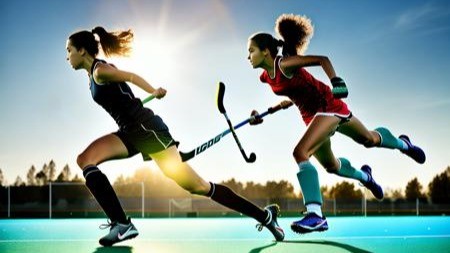
Growing up playing hockey on freezing Canberra mornings, Suzie Geria had no idea she was building the foundation for everything that would come after — a government career, a coaching practice, and a business built around helping women show up fully in their lives.
In this article, Suzie reflects on what years of team sport actually taught her: how to fail and come back, how to read a room and elevate others, and how to be coached — to receive feedback without defensiveness and implement guidance even when it’s uncomfortable.
The piece makes a compelling case that girls’ access to sport is not a recreation issue — it is a developmental infrastructure issue. The three capabilities sport builds — resilience, collaboration, and coachability — are precisely the capabilities that predict success in every domain.
For parents, administrators, and policy makers: this one is worth reading.
IN THIS ARTICLE
- Why losing a grand final at 15 was one of the most formative experiences of Suzie’s life
- How sport teaches girls to separate performance from identity
- The link between team sport and lifelong coachability
- The research connecting girls’ sport participation to leadership, education, and mental health outcomes
- Why access to sport is a policy priority, not a nice-to-have